Welcome to sha.org, the official website of the Society for Historical Archaeology

Present Positions: City Archaeologist, City of Alexandria, VA
Education: Ph.D., Department of Anthropology, University of Tennessee, Knoxville, 2013; M.A., Department of Anthropology, University of Massachusetts, Boston, 2003; B.A., Department of Anthropology, College of William and Mary, 1998
Professional Service to SHA and Other Societies: Council of Virginia Archaeologists: Executive Board President, 2018–2022; Executive Board Vice President; Executive Board Past-President; Executive Board Secretary; Co-Chair, Collections Committee; Virginia Department of Historic Resources State Review Board, 2022–present: Chair (incoming); Society for Historical Archaeology: Membership Committee, 2008–2016; Register of Professional Archaeologists, 2003–present
Research Interests: urban archaeology, community-driven archaeology, archaeology of the African Diaspora, material culture
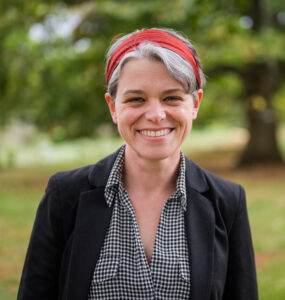
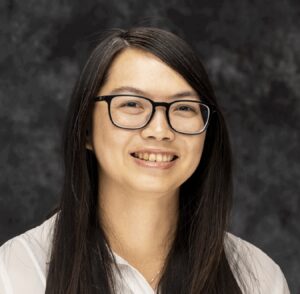
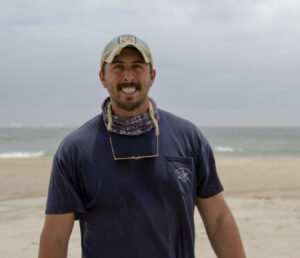
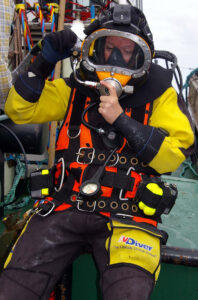
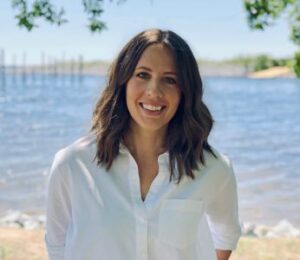
Biographical Statement: Eleanor Breen is an archaeologist and public servant specializing in urban archaeology, historic preservation, and the interpretation of difficult histories. As the City Archaeologist for the City of Alexandria, Virginia, she leads archaeological investigations that illuminate the city’s layered past, from the pre-contact, colonial and Revolutionary eras through the Civil War and the experiences of African American communities. Her work emphasizes the integration of archaeology into public policy, planning, preservation, and community engagement. To her archaeological practice, Breen brings previous work experience in a variety of sectors including academia, CRM, and museums. Breen previously worked at George Washington’s Mount Vernon plantation where she contributed to nationally recognized archaeological research and public interpretation initiatives. Throughout her career, she has focused on connecting archaeological evidence with broader historical narratives and contemporary conversations about memory, identity, and place. A frequent speaker and collaborator, Breen has developed programs and exhibitions that make archaeology accessible to broad audiences while advancing professional conversations about stewardship, descendant community engagement, and the role of archaeology in civic life. Her work demonstrates how archaeology can deepen public understanding of the past while informing the preservation of historic landscapes for future generations. Breen is committed to the archaeological profession through membership to and service in organizations including the Society for Historical Archaeology, Register of Professional Archaeologists, Mid-Atlantic Archaeological Conference, Council of Virginia Archaeologists, and Department of Historic Resources State Review Board. She has been a member of SHA for about 20 years and particularly enjoyed working with then Chair Dr. Barbara Heath on the Membership Committee.
Given the qualifications and experience outlined in your biographical statement, what do you believe you can contribute to SHA if elected?
As a municipal archaeologist working at the intersection of archaeology, preservation planning, public history, and civic engagement, I would bring a perspective grounded in both scholarship and public service. My work requires balancing research goals with the practical realities of development, stewardship, interpretation, policy, and community expectations. I believe this experience can help SHA continue to strengthen its relevance both within the profession and in the broader public sphere. Throughout my career, I have focused on making archaeology accessible and meaningful to diverse audiences while maintaining rigorous professional standards. If elected, I would contribute a collaborative and pragmatic approach to leadership drawn from work experience and from serving in leadership positions on the Council of Virginia Archaeologists. I am particularly interested in supporting initiatives that strengthen public archaeology, expand professional mentorship, and demonstrate the continued value of historical archaeology today.
For the past 10 years working in local government, I thoroughly understand that building trust in relationships—whether that is with community groups, residents, developers, city departments, students, teachers—is paramount. This often means assuming the role of mediator, ambassador, or liaison with people who have different perspectives and motivations. Success in these roles is often best achieved, I have found, when keeping the tenants of archaeology at the forefront—exposing and thereby working to right historical wrongs; respecting science, data, and fact while understanding the influence of interpretative bias; and keeping humanity of people in the past and their connections to communities today at the forefront. If elected, I look forward to bringing this perspective to the SHA Board.
If elected to serve SHA, what priorities would you emphasize?
I would emphasize several interconnected priorities that reflect both my experience as Alexandria’s City Archaeologist and SHA’s broader ethical and strategic commitments to stewardship, public engagement, inclusivity, and professional support. First, I would support efforts that strengthen the visibility and public value of historical archaeology. At a time when preservation and humanities programs face serious challenges, it is important that SHA continue to advocate for archaeology as a vital tool for understanding complex histories that inform issues in our communities and in our country today. Second, I would prioritize professional support and mentorship across career stages. Archaeology is increasingly interdisciplinary and professionally diverse, and SHA has an important role to play in supporting students, early-career professionals, municipal archaeologists, CRM practitioners, academics, and public and community historians alike. Expanding opportunities for mentorship, networking, and practical professional development would help strengthen the field as a whole. Third, I would support continued investment in public engagement and community collaboration. Historical archaeology is uniquely positioned to connect material culture with lived experience, and our work is strongest when descendant communities and the public are active participants in interpretation and stewardship. Finally, I would emphasize preservation advocacy. Archaeological resources are nonrenewable, and SHA should continue to be a strong voice for preservation law, responsible stewardship, and the protection of cultural resources in the face of ongoing development and environmental change.
If elected, note how you would work to build an inclusive Society for Historical Archaeology.
Building an inclusive SHA requires both intentional leadership and sustained institutional commitment. What does this mean in action? This means implementing and continually returning to the key recommendations of the SHA Diversity Audit and Survey. This means upholding Principle 5 of the SHA Ethics statement that acknowledges the inherent nature of structural racism in American society. This means ensuring that all student and practicing archaeologists first and foremost feel inspired to take a seat at the SHA table, are welcomed as members, and able to participate meaningfully in the organization and the profession. If elected, I would support efforts to broaden participation within SHA by strengthening pathways for students, early career professionals, and archaeologists from historically underrepresented backgrounds. Mentorship, financial accessibility, transparent leadership opportunities, and active outreach are all important components of building a more inclusive organization. I also believe inclusivity should be reflected in the stories we tell and the work we prioritize. Supporting collaborative research and descendant-community engagement helps ensure that archaeology is informed by multiple perspectives and experiences. Creating avenues for attendance and participation in SHA to the communities with and for whom we work is of particular interest to me. As someone whose work regularly involves public audiences, local communities, and interdisciplinary partnerships, I value respectful dialogue, collaboration, and listening. I would work to foster a professional environment within SHA that encourages constructive exchange, supports diverse approaches to archaeology, and recognizes the many ways archaeologists contribute to the field and to society.
Present Positions: Professor of Anthropology and Chair, Department of Sociology and Anthropology, Lake Forest College; Chair, Museum Studies Program, Lake Forest College
Education: Ph.D., Anthropology, University of Chicago; M.A., Anthropology, University of Chicago; B..A, Anthropology, University of California, Berkeley
Professional Service to SHA and Other Societies: SHA: Chair, Academic and Professional Training Committee, 2022–present; Program Chair—Terrestrial, 2026 Conference, Detroit, Michigan, 2025–2026; Judge, Jamie Chad Brandon Graduate Stu dent Paper Prize Competition, 2018–2026; Member, Nominations and Elections Committee (elected), 2022–2024; Member, Academic and Professional Training Committee, 2015–2022; Charnley-Persky House Museum: Board Member, 2025–present; Illinois Historic Sites Advisory Council, Illinois Department of Natural Resources and the Illinois State Historic Preservation Office: Appointed Member, 2022–2024; Midwest Historical Archaeology Conference (MHAC): Steering Committee Member, 2011–present; Co-chair, MHAC Chicago conference 2018; Theoretical Archaeology Group (TAG) Conference, University of Chicago: Conference Planning Committee, 2013; Central States Anthropological Society: Anthropology News Column Editor, 2001–2003
Research Interests: 19th-, 20th-, and 21st-century urban sites, temporality and modernity, consumerism and waste, historic preservation, contemporary archaeology, world’s fairs and expositions; region: North America/Midwest
Biographical Statement:
I am an anthropology professor at a small liberal arts college outside Chicago, where I rely on my undergraduate students and the field schools I run for them to create the data for my research. Previously, I taught undergraduate and graduate students as a postdoctoral instructor in the Master of Arts Program in the Social Sciences (MAPSS) and as a lecturer in the College (both at the University of Chicago). I was also a Visiting Assistant Professor in the Department of Social Sciences and Industrial Archaeology and Heritage Program (Michigan Technological University). I have excavated in Israel, France, Honduras, and the Bahamas, in addition to U.S. sites on the West and Gulf Coasts and in the Midwest. My book, Disposing of Modernity: The Archaeology of Garbage and Consumerism During Chicago’s 1893 World’s Fair (2020), was based on a project focusing on the ephemeral “White City” and Midway Plaisance of the 1893 Chicago Fair and the modern disposal practices seen at the Louis Sullivan- and Frank Lloyd Wright-designed Charnley-Persky House. The book was a co-publication with the SHA after winning the Kathleen Kirk Gilmore Dissertation Award (2013). In Chicago, I have also directed excavations at the Haymarket Martyrs’ Monument (2016), the Gray-Cloud House (2018), Mecca Flats (2018), Armour Mission and Armour Flats (2023), the Edith Farnsworth House (2021, 2024), and am currently working on a collaborative project on Chicago’s West Side.
Given the qualifications and experience outlined in your biographical statement, what do you believe you can contribute to SHA if elected?
SHA has profoundly shaped my career. The Jelks Graduate Student Travel Award enabled me to attend and present at my first SHA meeting, introducing me to practitioners beyond my university setting. Later, the Gilmore Dissertation Award provided crucial professional encouragement while I was contingent faculty. Through service on the Academic and Professional Training Committee, the Nominations and Elections Committee, years of judging graduate student papers, and most recently serving as Terrestrial Chair for the 2026 Annual Meeting, I have gained a broad understanding of where SHA is today and where it needs to go. My service on my state’s historic preservation board also deepened my understanding of how archaeological practice can diversify and expand ideas of historic significance and integrity. I take seriously SHA’s efforts to broaden participation across identities, career paths, and international communities, and I believe my experience across teaching, public engagement, preservation, and professional service positions me to contribute meaningfully to those goals. I teach as the sole archaeologist at a small liberal arts college where most of my students do not intend on being anthropologists or archaeologists. This feeds into my service because I must grapple with translating the goals of historical archaeology to an audience who may not ever return to it but could benefit from engaging with it. That experience shapes my service and my commitment to making our discipline accessible, collaborative, and publicly meaningful.
If elected to serve SHA, what priorities would you emphasize?
When I ran for the Nominations and Elections committee in 2022, I was very hopeful for change and for our historical moment in the discipline. The COVID-19 pandemic, coupled with the summer 2020 civil rights activism around the murders of George Floyd and Breonna Taylor, made clear the connections between spatiotemporally diverse sites and peoples, calling forth a renewed awareness of our intricate global ties and to systemic injustices that many had previously been insulated from. Writing about this in 2026 hits differently amid political polarization, attacks on higher education, environmental degradation, and growing concerns about AI. Yet these challenges reinforce my belief that archaeology is most meaningful when it is developed through partnerships and shared authority.
If elected, I would prioritize strengthening SHA’s public engagement, interdisciplinary collaboration, and advocacy for the relevance of historical archaeology beyond academic and professional silos. I believe our organization must remain proactive, outward-facing, and willing to rethink how we direct our energy and resources in rapidly changing social and political conditions.
If elected, note how you would work to build an inclusive Society for Historical Archaeology.
Anthropologist Ruth Benedict famously stated that the goal of anthropology was “to make the world safe for human difference.” Historical archaeology takes up that call. Inclusion is fundamental to our organization from its intellectual motivations to its collaborators to its practitioners, but we need to do more to make it tangible in the structure and practice of our organization. Every decision needs to be about this inclusivity. For instance, how do we rethink membership—what tiers could we provide, where should we advertise, what can we do differently? Once we are fortunate to gain new members, how can we orient them to the Society, mentor them, and intentionally build out paths for their incipient leadership? Where should the next conference be held (and where should they not)? What publications can we co-sponsor? What online resources? What do our awards recognize, and what recognitions might we be missing? How do we broaden membership in active SHA committees and send more voices to Washington, to UNESCO? How can we use our social media to support the Society’s mission, and where are we missing places to intervene? How do we continue to make clear the contributions our discipline can make to solving problems in the world beyond our echo chambers or that of the academy, the government sector, or the corporation?
My current collaborative work on Chicago’s West Side—with a cultural anthropologist, geoarchaeologist, landscape architect, and community gardeners—demonstrates the power of archaeology to cross disciplines, professions, generations, and claims to authority. My experience with this work indicates that we must, in the words of Barbara Little, bend archaeology toward social justice. It means, then, that our professional organization must be active rather than reactive. We must look at what we want SHA to be and intentionally work toward that future.
Present Position: Executive Director, Florida Public Archaeology Network
Education: Ph.D., Anthropology, University of Maryland, College Park; M.A., Historical Archaeology, University of West Florida; B.A., Anthropology and History, University of Mississippi
Professional Service to SHA and Other Societies: I have been a member of SHA since 2006. Throughout those 20 years I served on the Collections and Curations Committee and am currently serve on the PEIC and GMAC committees. For the 2021 Annual Meeting, I served as the Terrestrial Program Chair. I am also an active member of the Society for American Archaeology, where I previously served on the Committee on Museum, Collections, and Curation and Excellence in Public Education Award Committee. I am actively involved in regional and state societies including Southeastern Archaeological Conference, where I served on the 2024 Conference Planning Committee, Florida Anthropological Society, and where I served on the 2024 Conference Planning Committee, Mid-Atlantic Archaeological Society, and Council of Virginia Archaeologists.
Research Interests: public archaeology, community engaged archaeology, African-American archaeology, archaeology of enslavement, colonial archaeology
Biographical Statement: Mary Furlong Minkoff is the Executive Director of the Florida Public Archaeology Network (FPAN). At FPAN, Mary oversees a network of regional centers dedicated to promoting stewardship, public appreciation, and the value of Florida’s archaeological heritage through community engagement. She returns to FPAN, where she previously worked as the first Outreach Coordinator for the Northwest Regional Office, after nearly 15 years in the Mid-Atlantic. Prior to joining FPAN, Mary worked as the Assistant Director of Archaeology and Curator of Archaeological Collections at James Madison’s Montpelier. There she oversaw Montpelier’s public archaeology programs and public archaeology laboratory. While at Montpelier, Mary collaborated with the Orange County African American Historical Society, for which she served as a board member in 2022–2023, the Montpelier Descendants Committee, and other community organizations and members of the public on numerous projects including the multi-award-winning Mere Distinction of Colour exhibition, annual Juneteenth celebration, and the LEARN Archaeology Expedition programs, Montpelier’s signature public archaeology program.
Mary earned her Ph.D. at the University of Maryland, College Park where she specialized in civically engaged archaeology, community archaeology, and African American archaeology. Her dissertation focused on working with descendants to uncover the archaeology and memories of African American communities surrounding the Civil War Defenses of Washington and in particular The Fort community in Alexandria, Virginia. Mary also worked with the National Park Service in a variety of areas including the National Capital Regional Archaeology Office and as an archaeologist for the Urban Archaeology Corps youth program. She earned her M.A. in Historical Archaeology from the University of West Florida and B.A. in Anthropology and History from the University of Mississippi.
Given the qualifications and experience outlined in your biographical statement, what do you believe you can contribute to SHA if elected?
If elected to SHA, I would contribute a perspective centered on publicly focused, community engaged archaeology. While I have worked for and in a wide variety of organizations and locations, the public connection to archaeology remained the center of my experience. This focus on the public provides me with a broad perspective of how historical archaeology fits into modern society both philosophically and practically. Therefore, I would apply a pragmatic approach, anchored in strong archaeological ethics and social values, to any decision I made on behalf of SHA.
I have been a member of SHA for +20 years, first joining as student and staying with the organization through various stages of my career. Throughout that time SHA has been my professional home, providing an excellent network of colleagues and access to cutting edge and globally impactful research. I would like to take this opportunity to give back to an organization that has provided me so much throughout the years. Likewise, I believe that SHA can and should be the international leader in community focused archaeology and my experience could contribute to achieving this goal.
If elected to serve SHA, what priorities would you emphasize?
If elected to serve SHA, I would prioritize support and accessibility for SHA members, potential members, and historical archaeology in general. The past several years have been incredibly challenging for SHA members, especially in the areas of social, political, and economic shifts that have threatened the discovery, analysis, preservation, and interpretation of archaeological sites and resources worldwide. These same factors have placed the archaeologists and heritage practitioners under a huge amount of stress both professionally and personally. I believe it is SHA’s responsibility to help support its members as they face these challenges. This includes working with members to make the annual meeting and the overall organization a supportive environment, where members can raise their concerns, work collaboratively to develop responses to these challenges, and relax with their peers. Ways to do this could include, encouraging members to organized nontraditional sessions during the annual meeting that encourage open conversation, sharing best practices and other resources for how to respond to major challenges, and creating spaces during conferences where members can decompress, nurse, or attend to other personal needs that will allow them to maximize their conference experience.
Increased accessibility is also a component for showing support for members. This includes building on past efforts to increase accessibility at the annual conference through providing accessibility guides and resources. It is also important that we continue to find ways to make the conference as affordable as possible. Membership and conference attendance present a financial barrier that many archaeologists and their collaborating partners cannot overcome. We must recognize that there are archaeologists who are not joining our organization or attending the annual meeting, because it is unaffordable. Targeting past members who have not renewed their membership or colleagues who have never joined to get feedback about ways to make SHA more accessible to them would help us develop better policies and practices in regards to accessibility and affordability.
Finally, increased accessibility for the public to historical archaeology is a priority that I embrace for both my career and SHA. Working with conference planning committees to enhance the annual public day to make it better serve local communities is one way SHA could increase its impact. In addition, I would like to renew past efforts to offer trainings for our members, such as anti-racism or anti-ablism workshops, which are essential for making archaeology more accessible as a discipline and to the public.
If elected note how you would work build an inclusive Society for Historical Archaeology.
My priorities of support and accessibility as described above are essential for making SHA more inclusive. One way to do this would be to analyze our current membership data. Look at the numbers of who is joining, staying, leaving, and never joining SHA will help us better understand who is excluded. Further research into why people are not renewing memberships or joining in the first place can help us identify exclusionary barriers. Without a full picture of both the membership we have and those who do not join, we cannot effectively address issues of exclusivity.
In addition, I believe partnerships are key to helping SHA become more inclusive, as demonstrated by the current relationships with ACUA and SBA. By partnering SHA’s annual meetings with the meetings of these organizations, archaeologists who might not otherwise join SHA have an incentive to do so and the organization is stronger as a whole. Nurturing these relationships and identifying other organizations to collaborate with can help the organization be a welcoming place for new members.
Present Positions: Director, Southern Oregon University Laboratory of Anthropology
Education: M.A., Cultural Resources Management, Sonoma State University, 2009; B.A., Anthropology and History, University of Oregon, 2007
Professional Service to SHA and Other Societies: Alta Heritage Foundation: Board of Trustees, 2025–present; Southern Oregon Historical Society: Board of Trustees, 2024–present; Vice President, 2026–2028; Society for American Archaeology: 2023 Program Committee for the 88th Annual Conference, Portland, Oregon; Oregon Parks and Recreation: Audit Committee, 2022–2026; Society for Historical Archaeology: Nominations Committee, 2020; Oregon Heritage Commission: Governor appointed commissioner, 2016–2023; Chair, 2019–2021; Oregon Historical Society: Member, Editorial Board, Oregon Historical Quarterly, 2015–2024; Association of Oregon Archaeologists (AOA): Vice President, 2010–2013
Biographical Statement: I am a research archaeologist at Southern Oregon University (SOU), where I serve as Development of the American West, with a focus on community engaged archaeology and public media collaborations. I serve as a principal investigator of the award-winning Oregon Chinese Diaspora Project (OCDP), a grass roots collaboration that leverages partnerships with state and federal agencies, museums, and historical societies with the shared goal of documenting and preserving Chinese heritage in Oregon. In additional to regular collaborations with a variety of legacy and digital media outlets, I have partnered with Jefferson Public Radio on the award-winning Underground History podcast for the last decade, and with Oregon Public Broadcasting and the Oregon Historical Society on the Unearthing Oregon digital series. These partnerships revolve around the central goal of increasing transparency, access, and platforming archaeology and heritage issues, at home and abroad. I have also partnered on the creation three digital collections, the Jim Rock Historic Can Collection, the Chinese Material Culture Collection, and the forthcoming Historic Plastics Website, which are all designed to serve as open-source resources for both practicing archaeologists and the interested public.
Given the qualifications and experience outlined in your biographical statement, what do you believe you can contribute to SHA if elected?
If elected to the board, I would put my background in media outreach and community engaged collaboration to work for the organization. I believe there is much more we can do as individuals and as an organization to amplify and promote the discipline, build a stronger cohort of champions and supporters that will help make the legislation we hope to protect and preserve more resilient, and allow us to better coordinate efforts to push back or respond to threats to cultural resources. I have also served on a variety of boards and committees and understand the challenges and opportunities in finding creative solutions to heritage issues faced by the discipline as well as organizations ranging from large museums to small volunteer run historical societies. Much of my previous work has highlighted the ways in which archaeologists can be better allies within their community, which not only adds richness to collaborative projects, but helps to reinforce the important work archaeologists do and why the public should continue to support it.
If elected to serve SHA, what priorities would you emphasize?
Given the economy and clear, existential threats to higher education, I believe we must connect with the public and other stakeholders now more than ever. Both as a means to sustain our discipline for future generations, but also as a means to contribute our unique skill set to contemporary issues. Whether it be adding nuance and new perspectives to historical events and eras, advocacy towards efforts to recognize and combat Climate Change, or a greater involvement in humanitarian efforts or disaster recovery, archaeologists are uniquely situated to meet the current moment and help build more self-reflective, engaged, and resilient communities by promoting place-based connections and stewardship of our shared heritage.
If elected, note how you would work to build an inclusive Society for Historical Archaeology.
I believe that SHA lags behind other organizations in terms of accessibility and inclusivity, and I think we can look elsewhere for ideas on how to make attending the conference more appealing and more affordable to folks who might otherwise be unable to attend or may not see the value in their participation. This could include adding perks or discounts for students or first-time attendees, creating more of an incentive to consider carefully the types of sessions or scholarship represented and platformed by our organization, and reducing barriers to stakeholder involvement or attendance in session they have collaborated or contributed to.
Present Position: Project Manager for the Digital Archaeological Archive of Comparative Slavery (DAACS, www.daacs.org), Thomas Jefferson Foundation, Inc./Monticello
Education: Ph.D., Anthropology, University of Virginia, 2012; M.A., Anthropology, University of Virginia, 2007
Professional Service to SHA and Other Societies: SAA: Member, Nominating Committee, 2020–2021; Member, Public Education Committee, 2014–2017; Chair, Taskforce For the Public Webpages, 2014–2017; Member, Student Affairs Committee, 2009–2010; Museum Computer Network (mcn.edu) Board of Directors: President, 2018–2019; Vice President, 2017–2018; Member, 2015–2019; Member, Nominating Committee Member, 2015, 2018, 2019; SHA Curation and Collections Committee: Chair, 2022–2026
Research Interests: social networks and communities of practice, Late Woodland and historic period Southeastern United States, production and consumption of tobacco pipes and colonoware, comparative and collections-based research, archaeological data management and stewardship
Biographical Statement: With over 15 years of experience managing, curating, and researching archaeological collections across five museum and university settings, I have built a career at the intersection of collections-based research and digital archive development. As part of research teams analyzing field records and assemblages from 50+ Woodland and Historic period sites across the Southwestern, Southeastern, and Northwestern United States, I developed a foundational understanding of how archaeological data is created, organized, and made accessible for long-term use. That work now informs my role as Project Manager for the Digital Archaeological Archive of Comparative Slavery (DAACS), where I oversee the digitization and integration of new sites into the archive, coordinate with institutional collaborators, and direct ongoing development of the archive’s website and documentation. My research examines how Indigenous, enslaved African, and European communities navigated the shifting natural, social, and economic pressures of the Colonial Period in the Southeastern United States. Using locally produced ceramics and smoking pipes, I investigate the persistence and change of production learning traditions and exchange networks, and how communities used local materials to negotiate and adapt to changing circumstances.
Given the qualifications and experience outlined in your biographical statement, what do you believe you can contribute to SHA if elected?
If elected to SHA’s Nominating Committee, I will draw on practical experience navigating the mechanics and politics of nomination processes in two different organizational contexts. As a member of MCN’s Nominating Committee, I worked with the organization’s Executive Director and Board toward making the nomination process more efficient and transparent and began documenting the challenges of increasing diversity in our candidate pool. As a member of SAA’s Nominating Committee, I worked with fellow committee members to increase representation from historically marginalized communities, reevaluate the criteria used for selecting candidates, and advocate for a shift to Ranked Choice Voting as a more equitable mechanism for reflecting membership preferences. Though that effort was not ultimately adopted, the experience of pushing for structural reform within an established governance process is one I would bring directly to SHA. I would also draw on my connections across a broad range of institutional contexts—Academia, Federal and State agencies, Museums and Repositories, Tribal Historic Preservation Officers, and CRM—and geographic regions to ensure the candidate pool reflects the full diversity of archaeological practice that characterizes SHA’s membership.
If elected to serve SHA, what priorities would you emphasize?
If elected, I would prioritize continuing this work, including a willingness to evaluate whether SHA’s current nomination and voting structures best serve its large and diverse membership.
If elected, note how you would work to build an inclusive Society for Historical Archaeology.
In my role at DAACS, I have helped implement programs that translate commitments to inclusion into concrete action. Recognizing that structural barriers—including under-resourced programs, limited fieldwork funding, and underrepresentation in the discipline—have excluded many scholars, particularly researchers of color and those from under-resourced institutions, DAACS reserves fellowships and internships in each Certification training cycle specifically for advanced graduate students and early-career scholars who have faced these barriers. If elected to SHA’s Nominating Committee, I would bring this same approach—identifying structural obstacles and building mechanisms to address them—to the work of ensuring SHA’s candidate pool reflects the full breadth and interests of those doing historical archaeology today.
Present Position: Assistant Professor of Anthropology, Grinnell College
Education: Ph.D., Anthropology, Stanford University; M.A., Historical Archaeology, UMass Boston; B.A., Anthropology (minor in Ethnic Studies), UC San Diego
Professional Service to SHA and Other Societies: American Anthropological Association: Member, Archaeology Division, Nominations Committee, 2025; Archaeology Division: Student Representative, 2018–2020
Research Interests: Chinese diaspora archaeology, transnationalism, race and racism, landscape archaeology
Biographical Statement: I believe that archaeological sites serve as powerful mnemonics for marginalized communities and play an important role in the reclamation of silenced histories. My research is on the late 19th to early 20th archaeology of racism and transnationalism at Chinese diaspora sites. Since 2023, I have co-directed the Wyoming Chinatowns Archaeology Project with Dr. Dudley Gardner, which centers on archaeological research on the Rock Springs and Evanston Chinatowns in Wyoming. We work closely with the descendant community and undergraduate students at Grinnell College to understand the materiality of racial violence and transpacific linkages between diasporic sites and home villages. In addition, I investigate Chinese immigrant landscapes of labor—from truck farms in Southern California to railroad worker camps in West Texas. Research is shared with the public through the Buried Chinatowns blog: https://buriedchinatowns.sites.grinnell.edu/.
Given the qualifications and experience outlined in your biographical statement, what do you believe you can contribute to SHA if elected?
I am excited about joining the Nominations and Elections Committee because it will allow me to play a direct role in shaping the future of the SHA. I recently served as a member of the Nominations Committee for the Archaeology Division of the AAA and enjoyed the process of creating lists of dedicated archaeologists who I thought would excel in a variety of leadership roles. In addition, I look forward to tapping into the historical archaeology networks that I have developed across the U.S. and the globe through my graduate education and research projects in order to recruit a diverse group of nominees for SHA positions.
If elected to serve SHA, what priorities would you emphasize?
Recruiting and mentoring junior faculty and early career professionals into leadership positions, making the SHAs more accessible to attend for outstanding undergraduate students, and challenging the status quo in archaeology such as costprohibitive field schools.
Please include a statement on your commitment to Diversity, Equity, Inclusion, Belonging and Mattering (DEIB&M).
Throughout my academic career, I have strived to create an inclusive environment for anthropology students and scholars from diverse backgrounds. As a first-generation college graduate and the daughter of working-class Chinese immigrants, I am committed to mentoring the next generation of historical archaeologists. In 2019, I co-organized an archaeology student mentoring session at the American Anthropological Association conference that connected students with professionals in the field, and regularly share advice with prospective archaeology graduate students on applying to M.A. and Ph.D. programs. In 2023, I co-organized a well-attended forum at the Society for American Archaeology conference titled “Building Antiracist Archaeologies.” The forum was based on an Annual Review of Anthropology article that I co-authored with Kelly Fong, Jocelyn Lee, Veronica Peterson, and Barbara Voss, titled, “Race and Racism in the Archaeologies of Chinese American Communities.” Overall, I will bring my dedication to making archaeology accessible to those facing one or more structural barriers.
Present Position: Staff Archaeologist, Program in Maritime Studies, Department of History, East Carolina University
Education: M.A., Maritime Studies, East Carolina University, 2015; B.A., Anthropology, SUNY New Paltz, 2012
Professional Service to SHA and Other Societies: North Carolina Maritime History Council: Managing Editor, Tributaries; Executive Board Member; Register of Professional Archaeologists: Member
Research Interests: historical-period maritime archaeology in North America, early modern maritime history, the archaeology of ports and waterfront infrastructure, digital imaging and 3-D modeling methodologies, and public outreach.
Biographical Statement: Jeremy Borrelli is the Staff Archaeologist (Maritime Research Associate) with the Program in Maritime Studies at East Carolina University. He received his BA (2012) from SUNY New Paltz with a focus in archaeology and is listed on the Register
of Professional Archaeologists. His broad research interests in North American maritime archaeology are focused on ports, waterfronts, and landing sites during the historical period. Due to the nature of his role within the Program in Maritime Studies, he specializes in a range of archaeological techniques and regularly assists student instruction on anything from traditional documentation strategies to advanced geophysical methodologies.
Over the past decade, Jeremy was involved with archaeological projects in North Carolina, New York’s Hudson Valley, the Great Lakes, Pacific Islands, Africa, and the Caribbean. Before joining East Carolina University, he worked as a maritime archaeologist for the Queen Anne’s Revenge Shipwreck Project located at the North Carolina Office of State Archaeology Conservation Laboratory and North Carolina Underwater Archaeology Branch. He is currently Co-PI on an ongoing collaborative project at Brunswick Town/Fort Anderson State Historic Site in coastal North Carolina that discovered nine submerged and four terrestrial waterfront archaeological features associated with the colonial port town. This project presents a front-lines case study on the impacts of modern estuarine development practices, climate change, and their collective impacts on at-risk submerged cultural resources.
Given your qualifications and experience, what do you believe you can contribute to the ACUA/SHA if elected?
As academic staff who works closely with students and emerging archaeologists, I bring a strong connection to the next generation entering the field and a clear understanding of the challenges they face in moving from university training to professional careers. I hope to strengthen mentorship opportunities that better bridge academia, government, and private sector practices in support of ACUA’s commitment to education and early career development. In my current role, I also support a variety of international projects with different research goals and management needs, which gives me experience in coordinating logistics, collaboration, and project planning across diverse teams. This perspective would allow me to contribute to the development of survey standards and best practices that promote greater consistency in the research and promotion of underwater cultural heritage. Additionally, my experience managing university social media and public outreach also allows me to contribute to broader engagement strategies that expand the visibility of underwater archaeology and help ACUA/SHA reach students, professionals, and the public in more meaningful ways.
If elected, what priorities would you emphasize taking into consideration the ACUA and SHA missions and goals, ongoing committee activities, and the management and financial challenges of the society?
If elected, I would prioritize practical and actionable support for students and early-career professionals by improving access to mentorship, conference participation, and professional development opportunities. I believe it is essential to bring younger archaeologists into the room, not only as participants, but as contributors to decision-making and leadership conversations. Through this, ACUA remains responsive to the future of the discipline. I also recognize that the rising cost of living creates a significant financial barrier for many students and communities to engage with the field as specialized and often removed from daily life as submerged heritage. I would work to help build capacity through stronger financial support mechanisms, expanded outreach and increased community involvement that not only aligns with ACUA’s strategic plan, but also makes the field more accessible and relevant. In alignment with ACUA and SHA’s missions, I would advocate for initiatives that make professional engagement more inclusive and financially realistic, while supporting the long-term sustainability and relevance of both organizations and the broader historical and underwater archaeological community.
Describe your experiences and work toward enhancing diversity, equity, inclusion, belonging, and mattering:
My experiences in advancing diversity, equity, inclusion, belonging, and mattering are closely tied to my roles in education and public outreach. A diversity of perspectives, whether that be from underrepresented communities, local stakeholders, or interdisciplinary professionals, is a driving force for innovation and growth within archaeology. To foster that diversity, it is critical to increase awareness of archaeology as a viable career path among younger audiences and encourage a broad range of groups to see heritage as a valuable and shared resource. As staff at the North Carolina Office of State Archaeology Conservation Lab, I introduced underwater archaeology to the general public, homeschool groups, and connected lab staff with local organizations that promote early childhood learning. These activities helped familiarize a broad range of young people to the many academic and career pathways within archaeology and conservation.
To support the growth of talented individuals that may contribute to our shared understanding of submerged cultural heritage, I am also actively working to develop grant funding opportunities through the North Carolina Maritime History Council. These would provide financial assistance to students, museum or heritage professionals, and community members to promote the maritime past within the state. In my current role at East Carolina University, I remains committed to maintaining an inclusive and supportive environment, particularly in field settings, where access, mentorship, and a sense of belonging can have a lasting impact on participation and professional success.
Present Position: Assistant Professor, Nautical Archaeology Program; Director, Center for Maritime Archaeology and Conservation; Director, Conservation Research Laboratory and the Analytical Archaeology Laboratory; Department of Anthropology, Texas A&M University
Education: Ph.D., Anthropology, Texas A&M University, 2017; M.A., Anthropology, Texas A&M University, 2015; B.A., Anthropology, University of Colorado, 2011
Professional Service to SHA and Other Societies: I have been an active participant in SHA and ACUA-related conference programming for more than a decade, including chairing or co-chairing nine SHA conference sessions over the last eleven years. Through those sessions, my teaching, and my work directing field and conservation projects, I have emphasized student training, professional development, collaboration between academic and applied archaeologists, and the public value of underwater cultural heritage.
Research Interests: historical-period maritime archaeology in North America and Western Europe, conservation and long-term preservation of waterlogged archaeological materials, submerged cultural resource documentation and in situ preservation, X-ray fluorescence elemental analysis, digital imaging and 3-D modeling of archaeological artifacts and ship remains, public outreach, student training, and the integration of archaeological fieldwork with conservation science.
Biographical Statement: Dr. Chris Dostal is a former U.S. Navy submarine sailor and an Assistant Professor in the Nautical Archaeology Program at Texas A&M University. He received his BA in Anthropology from the University of Colorado in 2011 and his MA and PhD in Anthropology from Texas A&M University in 2015 and 2017. Since joining the Texas A&M faculty in 2018, he has specialized in the documentation, analysis, conservation, and long-term preservation of submerged cultural heritage, with a particular focus on historical-period maritime archaeology in North America.
As Director of Texas A&M University’s Conservation Research Laboratory, the Center for Maritime Archaeology and Conservation, and the Analytical Archaeology Laboratory, Dr. Dostal oversees large collaborative projects involving archaeological materials recovered from marine and waterlogged contexts. These include Revolutionary War cannons from the Savannah River, historic bronze and iron artillery from the Alamo, the World Trade Center ship, the eighteenth-century Alexandria waterfront vessels, and ongoing work connected to the gunboat Philadelphia and the Battle of Valcour Island. His work bridges field archaeology, conservation science, digital documentation, student training, and public interpretation. Across these projects, he has built interdisciplinary teams involving archaeologists, conservators, engineers, chemists, students, museums, government agencies, and cultural resource management professionals.
Given your qualifications and experience, what do you believe you can contribute to the ACUA if elected?
If elected, I would bring to ACUA a practical combination of field experience, conservation expertise, institutional leadership, and sustained commitment to student training. Much of my work sits at the intersection of underwater archaeology, conservation, public heritage, and professional practice. I think a position on the board will allow me to contribute to ACUA’s role as a bridge between constituencies that do not always communicate as effectively as they could: academic programs, CRM firms, museums, government agencies, avocational groups, and students preparing to enter the field. I would be especially interested in helping ACUA strengthen professional pathways for students and early career archaeologists. ACUA already identifies education, mentorship, and early career support as major committee responsibilities, and I believe I could contribute directly to those efforts through workshop development, mentoring, student-focused conference programming, and clearer pathways between university training and applied professional work. I would also bring experience managing complex collaborative projects with real logistical, financial, and ethical constraints. Directing a large conservation laboratory requires balancing budgets, staff time, project deadlines, public expectations, sponsor needs, and long-term stewardship obligations. Those are not abstract concerns; they are the everyday realities of preserving underwater cultural heritage. I would approach service on the Board with that same practical orientation: identify achievable goals, work through committees, support existing initiatives, and help ACUA continue to serve SHA members as a visible and effective advocate for underwater archaeology.
If elected, what priorities would you emphasize taking into consideration the ACUA and SHA missions and goals, ongoing committee activities, and the management and financial challenges of the society?
My first priority would be strengthening the connection between ACUA’s educational mission and the professional realities facing students and early career archaeologists. Underwater archaeology remains a small and highly specialized field, and many students struggle to see how classroom training, field schools, conservation experience, CRM work, agency employment, museum practice, and academic research fit together. ACUA is well positioned to make those pathways more legible. I would support expanded mentoring, practical career programming, and workshop opportunities that bring together professionals from academia, CRM, government, museums, and non-profit organizations.
My second priority would be to help ACUA translate its committee work into visible, useful resources for SHA members and the broader public. The policies identify outreach, publications, digital communication, mentorship, awards, diversity and equity, and submerged cultural resource awareness as major areas of activity. I would work to support those existing structures rather than reinvent them. In practical terms, that could include short professional guidance documents, recorded or recurring conference workshops, student-facing resource lists, conservation-oriented public outreach materials, and stronger visibility for underwater archaeology within the wider SHA community.
My third priority would be sustainable collaboration. Underwater cultural heritage is increasingly affected by development pressure, climate change, limited funding, and uneven access to training. ACUA cannot solve those problems alone, but it can convene the people and institutions best positioned to address them. I would emphasize partnerships that connect students with opportunities, connect practitioners with technical expertise, and connect ACUA’s public mission with concrete preservation outcomes.
Finally, I would approach Board service with an understanding that financial sustainability matters. The strongest programs are those that can be maintained over time. I would support fundraising and development efforts that expand student access, strengthen travel and training awards, and ensure that ACUA’s initiatives remain realistic, durable, and aligned with the Organization’s mission.
Describe your experiences and work toward enhancing diversity, equity, inclusion, belonging, and mattering:
My approach to diversity, equity, inclusion, belonging, and mattering is grounded in access. In underwater archaeology, some of the most persistent barriers are not only cultural or institutional; they are also practical. Students need exposure to the field early enough to imagine themselves in it. They need access to training that is not financially prohibitive. They need mentors who can explain the profession honestly. They need field and laboratory experience that helps them become competitive for real jobs. They also need to see that their presence, labor, and perspectives matter to the future of the discipline. I came to archaeology through a nontraditional path. I served in the U.S. Navy before entering the field, and I did not grow up knowing that archaeology was a viable professional career. That experience shapes how I mentor students. I try to make the hidden structures of the profession visible: how fieldwork is funded, how conference participation matters, how CRM and agency careers work, how conservation fits within archaeological practice, and how students can build the skills needed to remain in the field.
In my own projects, I have worked to reduce financial barriers by organizing funded field and laboratory opportunities whenever possible. I also emphasize collaborative training environments in which students are entrusted with meaningful work, not simply observation. This includes underwater survey, artifact documentation, conservation treatment, digital modeling, analytical work, public outreach, and conference presentation. These experiences help students build confidence, professional networks, and a stronger sense that they belong in the field.
For ACUA, I would support diversity and equity through practical structures: accessible mentoring, transparent career guidance, student support, inclusive conference programming, and continued attention to the histories and communities represented through underwater cultural heritage. ACUA’s own antiracism and non-discrimination commitments stress that statements must be paired with concrete action and systemic change. That is where I think I can be most useful: helping turn broad commitments into sustainable, visible, and professionally meaningful opportunities.

Present Position: Senior Archaeologist, Grade I, National Monuments Service, Department of Housing, Local Government & Heritage, Ireland; this includes heading up the Underwater Archaeology Unit and acting as senior archaeological advisor for the World Heritage Property of Sceilg Mhichíl: www.archaeology.ie; visiting lecturer in Underwater Cultural Heritage, University College Cork, Ireland; https://www.ucc.ie/en/archaeology/aboutus/people/
Education: Ph.D. Archaeology and History, Trinity College Dublin, Ireland, 2013; M.A., Maritime Archaeology, National University of Ireland, University College Cork, Ireland, 1998 B.A., Maritime Archaeology, National University of Ireland, University College Cork, Ireland, 1995 Dive Qualifications: HSE Commercial diver Parts IV, III, and I Top Up (Bell), 1999–2001; Recreational Scuba PADI and CMAS qualified diver, 1993–1995
Professional Service to SHA and Other Societies/Institutions: I have been a long-standing member of the SHA since I attended my first conference in Quebec, Canada in the year 2000. I was elected to the Board of the ACUA in 2010 serving for 4 years and was re-elected for a second 4-year term serving until 2017. During my time on the ACUA Board I served on several committees, including the Nominations Committee, Recreational Diving Committee, Abstract Review Committee, Submerged Workshop Committee, and the Graduate Student Review Panel. I am a full member and acting secretary on the Bureau of ICOMOS-ICUCH (International Committee on Underwater Cultural Heritage) and member of ICOMOS-Ireland. I serve as a full member of the Institute of Archaeologists of Ireland (MIAI). I am former Chair and current standing member of the Irish Post-Medieval Archaeology Group (IPMAG), Past Council member of the Royal Society of Antiquaries in Ireland (RSAI), and former member of the European Scientific Diver Panel (ESDP), European Marine Board.
Research Interests: history and archaeology of piracy in the 17th-century Atlantic, post-medieval shipwreck archaeology, maritime landscapes, management of underwater cultural heritage, climate change impacts on underwater cultural heritage, implementation of the 2001 UNESCO Convention on the Protection of Underwater Cultural Heritage
Publications: Include peer-reviewed papers in historical archaeological journals and individual book chapters. Most recent publication: C. Kelleher, S. Kirwan, N. O’Connor, F. Moore, and K. Brady: Ireland, in Global Protection of the Underwater Cultural Heritage: National and International Perspectives, 3rd edition, Josh Martin and Sarah Dromgoole, editors, Brill, 2025; Book publications include C. Kelleher, The Alliance of Pirates: Ireland and Atlantic Piracy in the Early Seventeenth Century, Cork University Press, 2020; F. Moore, C. Kelleher, K. Brady, C. McKeon, and I. Lawler, RMS Lusitania: The Story of a Wreck, Government of Ireland Publications, 2019
Biographical Statement: Dr. Connie Kelleher is a highly experienced and accomplished archaeologist specialising in underwater cultural heritage. With nearly 30 years of professional experience, she has been a key figure in Ireland’s archaeological and maritime conservation efforts since joining the National Monuments Service (NMS) in 1999. As senior archaeologist Grade I for Underwater Cultural Heritage, Connie leads the Underwater Archaeology Unit (UAU), overseeing important projects and research in underwater archaeology. Her active diving background, with professional HSE certifications (Parts I, III, IV, and Bell top-up), complements her fieldwork on various shipwreck sites dating from medieval times to the modern era, including notable wrecks from the 1588 Spanish Armada and investigations in the River Shannon. She played a vital role in Ireland’s ratification of the 2001 UNESCO Convention on the Protection of Underwater Cultural Heritage, which was completed on 11 March 2026. Connie is also the senior archaeologist responsible for one of Ireland’s two UNESCO World Heritage Sites, that of Sceilg Mhichíl. Her academic credentials include a B.A. (1995) and M.A. (1998) from University College Cork, focusing on maritime landscapes and shipwreck archaeology, and a Ph.D. (2013) from Trinity College Dublin
on early 17th-century piracy in the North Atlantic. In addition to her field and conservation work, Connie is a dedicated academic visiting lecturer, teaching for nearly 15 years at UCC and delivering the AR3000 module on Underwater Cultural Heritage. She has also been invited to lecture at prestigious institutions worldwide, including Bristol University, Melbourne University, and East Carolina University, sharing her expertise in maritime archaeology and underwater heritage. Overall, Connie Kelleher combines extensive practical and academic experience, and a passion for underwater archaeology and heritage preservation.
Given your qualifications and experience, what do you believe you can contribute to ACUA/SHA if elected?
I am honoured to be invited to stand for re-election to the Board of the Advisory Council on Underwater Archaeology (ACUA). As a long-term member of the Society for Historical Archaeology (SHA) and having served two consecutive terms on the ACUA Board since 2010–2017, and 4 year from 2023, I possess a comprehensive understanding of the operational elements, core principles, and ethical standards that underpin both organisations. My career as a professional archaeologist with the Heritage Service in Ireland aligns closely with these principles and standards. This alignment is particularly significant now, given Ireland’s ratification of the 2001 UNESCO Convention and our implementation of the Annex Rules, underscoring our commitment to international cooperation in the protection of underwater cultural heritage. If re-elected, I will continue to leverage my experience and broad knowledge to advance and promote the missions and goals of the ACUA and SHA, with a special focus on Ireland, Europe, and the North Atlantic region. The increasing demands driven by offshore renewable energy development, technological advancements in underwater exploration, marine salvage operations, and the impacts of climate change highlight the urgent need for collaborative efforts. My work in managing and safeguarding underwater archaeology—including providing legislative input that contributed to Ireland’s ratification of the UNESCO Convention—has given me valuable insights into the importance of international collaboration. I believe that
fostering inclusivity and cooperation across borders is essential for meaningful progress. I am committed to promoting the application of professional standards and best practices in the study and preservation of underwater cultural heritage. Together in the ACUA, we can address current challenges and act as conduits that ensure our shared heritage is protected for future generations.
If elected, what priorities would you emphasize taking into consideration the ACUA and SHA missions and goals, ongoing committee activities, and the management and financial challenges of the society?
I will continue to promote the vital role of the ACUA in promoting best practices and ethical standards within underwater cultural heritage. Leveraging its international platform and the expertise of its practitioners, it is imperative to maintain the cohesiveness of its members to ensure the organisation continues to serve as a crucial hub for education, knowledge sharing, and guidance. To effectively advance these goals, it is important to tailor outreach efforts to diverse audiences. Engaging not only professional archaeologists but also avocational divers, development stakeholders, and the broader community can foster a more inclusive dialogue. I will continue to build understanding and trust through open discourse to uncover shared interests and values, facilitating collaborative approaches to preservation and responsible exploration. Continued emphasis on education, transparent communication, and fostering mutual respect among all stakeholders will be key to ensuring the sustainable management and protection of underwater cultural heritage worldwide.
My experience with Ireland’s ratification of the UNESCO Convention provides valuable insight into the advocacy and strategic efforts needed to advance such initiatives. Encouraging the ratification of the Convention and the adoption of the Rules of the Annex not only aligns with best practices but also strengthens the global framework for protecting submerged cultural heritage. These efforts adhere directly to the mission and goals of SHA and the ACUA. I will continue my commitment to assisting in the ACUA’s committees, including partaking in the Government Managers’ Meeting, as such forums are vital for fostering collaboration and addressing key management challenges. I will continue to place emphasis on education and supporting students in underwater archaeology and cultivating young career professionals to ensure the sustainability and growth of the field. Advocating for academic programmes that incorporate Underwater Cultural Heritage (UCH) studies can significantly enhance awareness and expertise. I continue to be impressed by the ACUA’s longstanding commitment to engaging graduates at all levels and fostering their professional development through initiatives such as the mentoring committee, grant support, and graduate associate memberships. I would be honoured to continue to contribute to these efforts by actively participating in ACUA’s initiatives.
My goal is not only to continue to raise awareness of ACUA’s mission and its advisory role but also to inspire and attract new talent into the profession. By doing so, I hope to help cultivate the next generation of underwater archaeological practitioners and ensure the continued growth and vitality of the field. I look forward to the opportunity to support and advance ACUA’s important work in this regard.
Present Position: Team Lead for Underwater Archaeology Projects at the Defense POW/MIA Accounting Agency
Education: Ph.D., Nautical Archaeology, Texas A&M University, 2018; M.Sc., Archaeology, University of Edinburgh, 2005; B.A., Anthropology, University of Georgia, 2003
Professional Service to SHA and Other Societies: I have served on the board of ACUA since 2023, first. as an executive member, and I was elected Vice-Chair in 2026. I am the committee liaison for the technology room for SHA and I have volunteered for the conference when able. I have spent the majority of my professional service time with several museum and non-profit cultural heritage organizations. I was Secretary of the Houston Aeronautical Heritage Society for four years, and a member of the South Eastern Texas Museums Association, and served as their Secretary then Treasurer from 2009–2013. I was nominated for a council position with the Texas Association of Museums in 2010. I have also served on the planning committee for the Mutual Concerns of Air and Space Museums Conference from 2018 to 2021. I am also a member of the Explorer’s Club and the American Alliance of Museums.
Research Interests: diver-integrated ROV wreck site survey, site mapping and photomosaic rendering, aluminum conservation research and experimentation, 3-D laser scanning of heritage objects, archaeological process displayed in museums, public dissemination of archaeological process
Selected Publications:
Biographical Statement: Dr. Megan Lickliter-Mundon is the Lead Archaeologist for the Underwater Team with the Partnership and Innovations (PI) Directorate within the Defense POW/MIA Accounting Agency (DPAA). Megan’s previous experience with DPAA includes Senior Underwater Archaeologist, and prior to her coming on board at DPAA she partnered with the PI program as Lead Archaeologist for Project Recover, a partner non-profit organization.
Dr. Lickliter-Mundon is an archaeologist and museum professional with a broad range of experience in the heritage sector. She received an M.Sc. in Archaeology from Edinburgh University and a Ph.D. in Anthropology from the Nautical Archaeology Program at Texas A&M University, specializing in underwater aviation archaeology. She also holds graduate certificates in heritage preservation, metal artifact conservation, and has specialized in museum studies for over 20 years.
During the course of her archaeological career, Megan has directed or participated in terrestrial and historical underwater projects in Europe, the Atlantic, and the Pacific. She has been involved in both dive surveys and ROV/AUV deepwater surveys with NOAA, OET, Air/Sea Heritage Foundation and Vulcan-R/V Petrel. Prior to returning to graduate studies for her Ph.D. she was the director of a local aviation history museum housed in a historic air terminal. She volunteers for and has served on the board of several non-profit museum organizations and is dedicated to museum development.
Given your qualifications and experience, what do you believe you can contribute to the ACUA/SHA if elected?
I believe that coming from a well-rounded background of academia, non-profit service, multiple federal agencies, consultancies, and amateur enthusiast organizations has given me the ability to anticipate priorities and viewpoints from a range of cultural heritage stakeholders. Through working as a facilitator for a museum’s consultant group I’ve learned how to link factual information to relevancy and help translate ideas into action. I’ve also developed and directed several archaeological surveys and understand the requirements for successful projects.
If elected, what priorities would you emphasize taking into consideration the ACUA and SHA missions and goals, ongoing committee activities, and the management and financial challenges of the society?
After having served on the board for three years, the key areas I see for improvement to the organization are transparency and foundation-building. I will be working to help standardize ACUA’s reporting documents, financial processes, and strategic planning goals. These areas will ensure the organization’s longevity and allow for smoother transitions between board shifts. Updating our strategic planning and foundation documents also helps the organization better and more quickly serve the underwater archaeology community with support campaigns, toolkits, and community awareness.